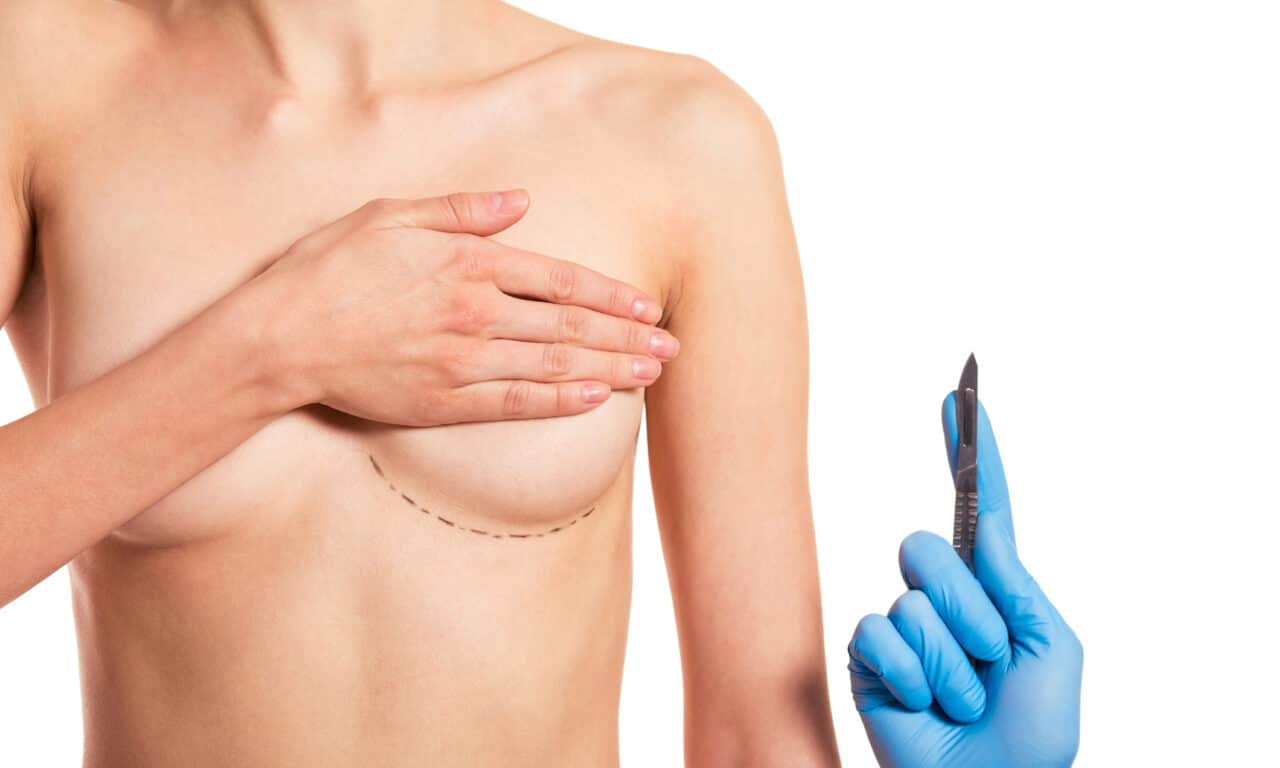
Plastic Surgeons Highlight Tension Management’s Role in Healing and Scar Outcomes
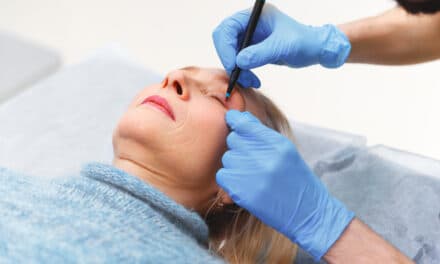
Surgeons discussed how actively managing incisional tension may help improve healing consistency, reduce complications, and optimize scar quality.
As GLP-1 medications drive significant weight loss for more patients, aesthetic providers are seeing a rise in facial hollowing, skin laxity, and other changes associated with GLP-1 face. Anthony Rossi, MD, discusses the structural aging patterns highlighted in a recent ASJ Open Forum study and how clinicians are approaching treatment with a conservative, multimodal strategy.
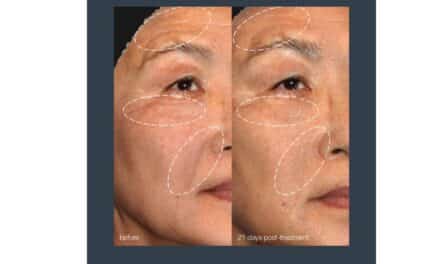
A study found increases in collagen, elastin, and other extracellular matrix proteins following Radiesse treatment, along with improvements in markers of solar elastosis, a sign of sun-damaged skin.
As patient demand for aesthetic procedures grows, financing technology is evolving to help plastic surgery practices improve access to care, streamline operations, and support patients navigating out-of-pocket treatment costs.
A new study reveals nearly 10% of surgeons leave clinical practice within eight years, with plastic and reconstructive surgery facing a 19.3% attrition rate.